With an area covering nearly 164,000 square miles, the state of California has one of the most diverse terrains in the U.S. From the dry, flat plains of the Mojave Desert to the towering mountains of the
Sierra Nevada, drivers must contend with a wide variety of driving conditions, including snow, sleet, fog, and high winds. So it’s no surprise that California consistently has one of the highest collision rates of all the states.
Urban areas, such as Los Angeles, Orange County, and the San Francisco Bay Area tend to have the highest rate of accidents. Because many of them wind through mountains and other rough terrain, California’s 67 state highways also have high collision rates. In fact,
State Route 38, east of Palmdale, has been ranked as one of the most dangerous roads in the world.
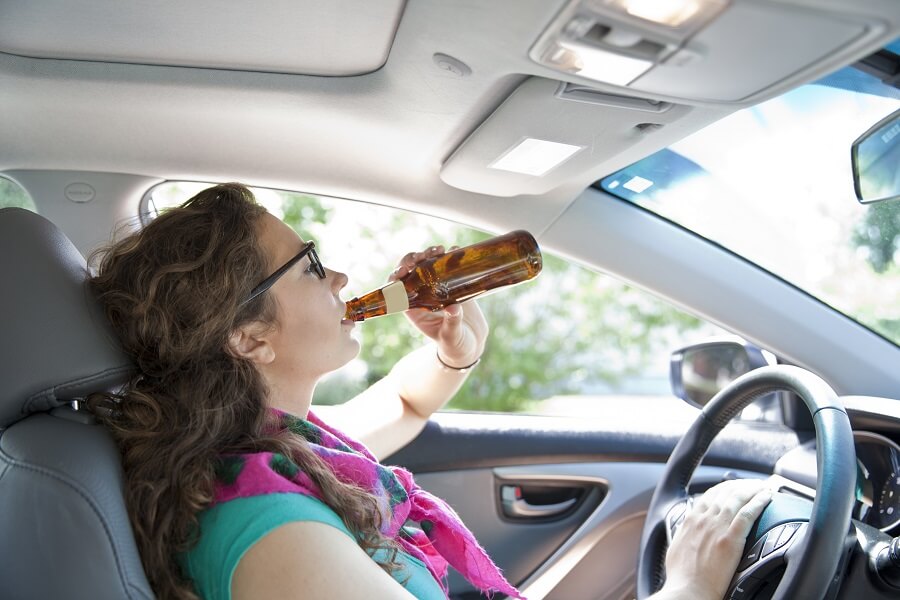
A high percentage of collisions also result from drivers under the influence of alcohol or other substances. Alcohol is involved in nearly one-third of all fatal collisions.
Driving Under the Influence
With so many collisions resulting from intoxicated drivers, California has some of the strictest laws in the nation regarding driving under the influence (DUI). By law, it is illegal to operate any type of motor vehicle with the following blood alcohol levels:
- 0.08% or higher – 21 years old or older
- 0.04% or higher – While operating a commercial vehicle
- 0.01% or higher – Younger than 21 years old
California’s
DUI laws also apply to illegal drugs and legally prescribed medications. It is against the law to drive after consuming excessive amounts of drugs, such as cough syrup, that contain alcohol in them, as well as prescription and over-the-counter medications.
What To Do After A Collision
If you get involved in a collision in California, you need to:
- Stay at the scene. Leaving the scene of an accident could lead to a hit-and-run conviction resulting in penalties, jail time, and loss of your license.
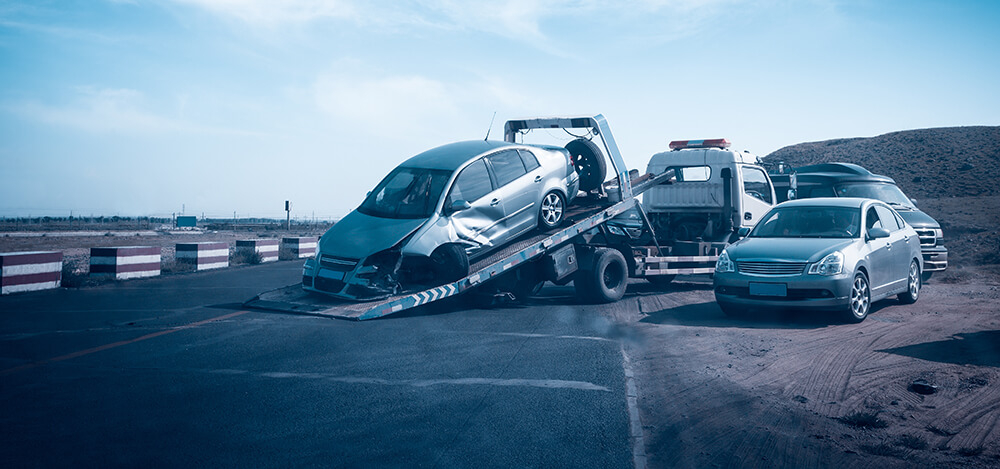
- Move to safety. If nobody is injured or killed in the collision, move your vehicle off the street or highway and stay there. If you can’t move the vehicle, make sure all passengers get safely to the side of the road. If you are unable to have your disabled vehicle towed, a California peace officer is authorized to have your vehicle removed and possibly impounded.
- Report the Collision. If someone is injured, call 911 for emergency medical assistance. In not, call 911 to notify the police or California Highway Patrol (CHP) and wait for help to arrive. When they arrive, you must show your driver’s license, vehicle registration card, and evidence of financial responsibility, such as your insurance policy number.
If you kill or injure an animal, pull over to the side of the road and try to find the owner. If you can't find the owner or it’s a wild animal, call the nearest humane society, police, or CHP.
If you hit a parked vehicle or other personal property, try to find the owner and identify yourself. If you can't find the owner, leave a note with your name and address, then report the collision to the local police or CHP.
Should you get into a collision in California, bring your vehicle into
Fix Auto USA for fast, dependable repairs. We have more than 35 convenient locations throughout the state to serve you!
*Be sure to check your local DMV office for full, complete, and up-to-date laws, rules and procedures.