
Why Living By The Ocean Can Lead To Auto Body Repairs

Living by the ocean has many advantages. Climates tend to be milder. There’s something about the smell of the ocean, the cool breezes, and the sound of the waves crashing on the beach that seems invigorating and healthful. And, the recreational opportunities are hard to beat.
Unfortunately, that’s not the case with your car. If cars had a choice, they would live far from the ocean because the moist, salty atmosphere causes serious damage to their appearance and ability to function properly. Salt water on car paint. Salt water stains on car seats. Rust on the fenders. Corrosion of battery cables, radiators, and other metal parts in the engine. It all adds up to a difficult life for your vehicle, and it takes a toll on your pocketbook. If you live near the ocean, you need to know the facts about why salty air is bad for your vehicle and how it can lead to costly repairs.
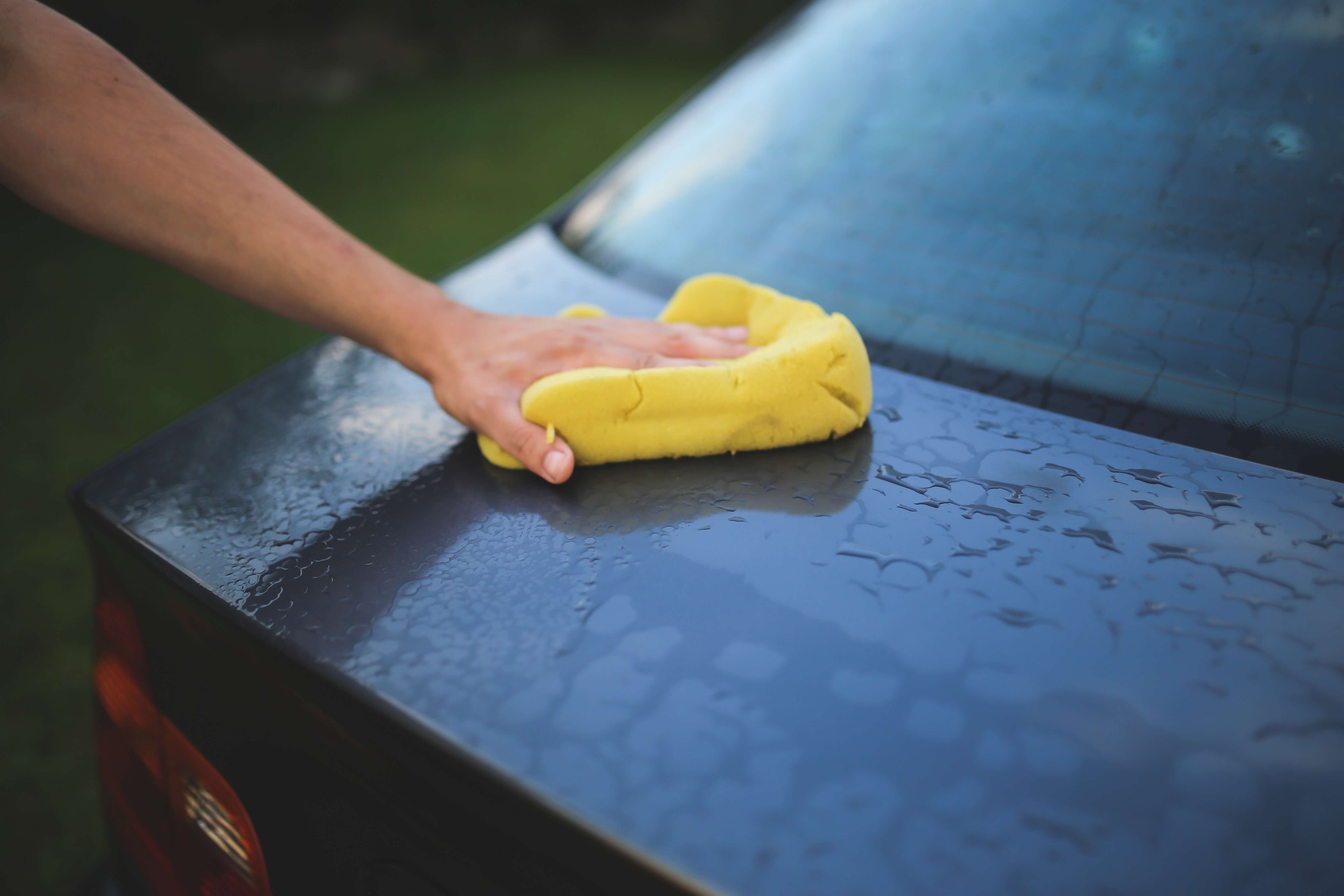 At minimum, wash your car at least once every two weeks, and wax it every three to four months. The older your car, the more frequently you should wash and wax. One good way to get in the habit is to run your car through the carwash every time you fill up for gas. If you don’t drive much and only fill up your tank once a month, you will need to wash your car by hand or make a separate trip to a carwash.
Does Salt Water Damage Cars?
Yes it does – in more ways than you think. Most car owners know that salt isn’t good for their cars. But, many may not know how or why it damages their vehicle. From a scientific standpoint, it’s the combination of moisture, oxygen, and sodium chloride (salt) that does the dirty work. Constant immersion in salt water causes more damage to metal than rust. It actually corrodes metal five times faster than fresh water. Of course, people don’t usually leave their cars sitting in salt water. But, humid ocean air contains a lot of salt water in it. As a result, it corrodes metal 10 times faster than dryer air. You don’t even have to live right on the beach because strong sea breezes can carry salt in the air up to five or more miles away. As a result, people who live near the beach should constantly monitor their vehicle’s condition for signs of damage from salt water.Salt in the Air: Your Car’s Worst Enemy
How does salt water damage cars? It starts with the exterior of your car. The air deposits trace amounts of salt water all over the exterior of your car every day. The salt slowly eats away at the paint and any exposed metal. These tiny deposits don’t become noticeable until they begin to build up. The first place you will likely notice salt damage is on the trunk and hood of your car. Because they’re horizontal, these surfaces get hit with more salt deposits than the side panels. Also, the water tends to sit there instead of sliding off. If you notice rust or paint splotches on your trunk or hood, check your doors and side panels as well. The sooner you spot the problem, the more you can do to prevent further salty air damage.Salt Water on Car Paint.
Your car’s paint is important because it protects the underlying metal from the ravages of the environment. It also makes your vehicle look good. Salt buildup on your car’s paint can eat away at it over time, exposing the metal to rust. Unrepaired rust can spread into areas where it can’t be seen with the naked eye, causing more damage and higher repair bills. Beach areas typically have a lot of sunshine, which is another enemy of your car’s paint. Constant exposure to the sun increases the size of the pores in the paint. This leaves more room for salt in the air to find a home in your car. As a result, the paint will lose is luster, making it less shiny. The salt will eventually eat holes in the paint, leading to more rust.Salt Water Stains on Car Seats
Salt water can damage the inside of your car just as easily as the outside, starting with the seats. Every time you come back from swimming in the ocean, a little bit of salt water gets on the seat. Sitting on a towel can provide some protection, but if your swim suit is still wet, salt water can seep through the towel. Leaving the windows open at the beach allows wind-blown salt spray to get into your car and onto the seats. Over time it adds up, causing unsightly stains on your car seats. The darker your seats, the more obvious the stains.Salt Water Under the Hood
Salty air doesn’t just settle on the exterior of your car. It also gets in, around, and on what lies under the hood of your vehicle. As a result, key components like nuts, bolts, and even your brakes can suffer corrosion from salty air. As with the surface of your car, it happens gradually, making it hard to notice. After a few years, rust spots will start to appear on internal metal pieces.Fighting Back Against Salt Air
Fortunately, there are many things you can do minimize or prevent the destruction caused by salty air and water.- Seek cover. When possible, park inside, out of the sun and sea air. Whether in a garage at home or underground when visiting the mall, staying out of the sun provides a measure of protection. It won’t take the salt out of the air, but it will deflect the harmful rays of the sun. If you don’t have a garage at home, a car cover will help.
- Take care of the paint. New cars are more resistant to damage caused by the climate because the paint is in prime condition. As the years go by, the paint will suffer from daily exposure to the air, nicks, scratches, dings and other circumstances that can chip and/or erode the paint. Touching up the paint as soon as you notice any damage can prevent rust and keep your vehicle looking good.
- Wash and wax your car on a regular basis. After buying a new car, most people take good care of it with regular washes and waxes. As the newness wears off, it can be easy to slip into the habit of less frequent cleanings. Yet, one of the best things you can do to protect your car’s paint and metal is frequent washes and waxes – especially when living near the ocean.
At minimum, wash your car at least once every two weeks, and wax it every three to four months. The older your car, the more frequently you should wash and wax. One good way to get in the habit is to run your car through the carwash every time you fill up for gas. If you don’t drive much and only fill up your tank once a month, you will need to wash your car by hand or make a separate trip to a carwash.


