
Is Road Rage a Crime?

Just about everyone has heard of road rage. Incidents are shown on the news all the time. Many people report having been a victim of road rage or know a person in their cycle who is more than an aggressive driver.
Despite the growing media attention, there are a lot of misconceptions and false information floating around about this phenomenon taking place every day on the roads and highways of America. For example, most people don’t know the difference between aggressive driving and road rage. Even more don’t know whether it is considered a crime. (It is, but more on that in a moment.) Let’s start by defining road rage.
Road rage is the act of using your car as a weapon to retaliate against other drivers in various ways. Acts of road rages include:
What Is Road Rage?
Although both involve unsafe driving practices, road rage is not the same thing as aggressive driving. Aggressive driving occurs when someone commits one or more moving traffic offenses that endangers other drivers or their property. These offenses can include speeding, tailgating, suddenly changing lanes without warning, cutting off other drivers, and failure to yield the right of way. These offenses can all result in receiving a traffic ticket, but they do not constitute road rage.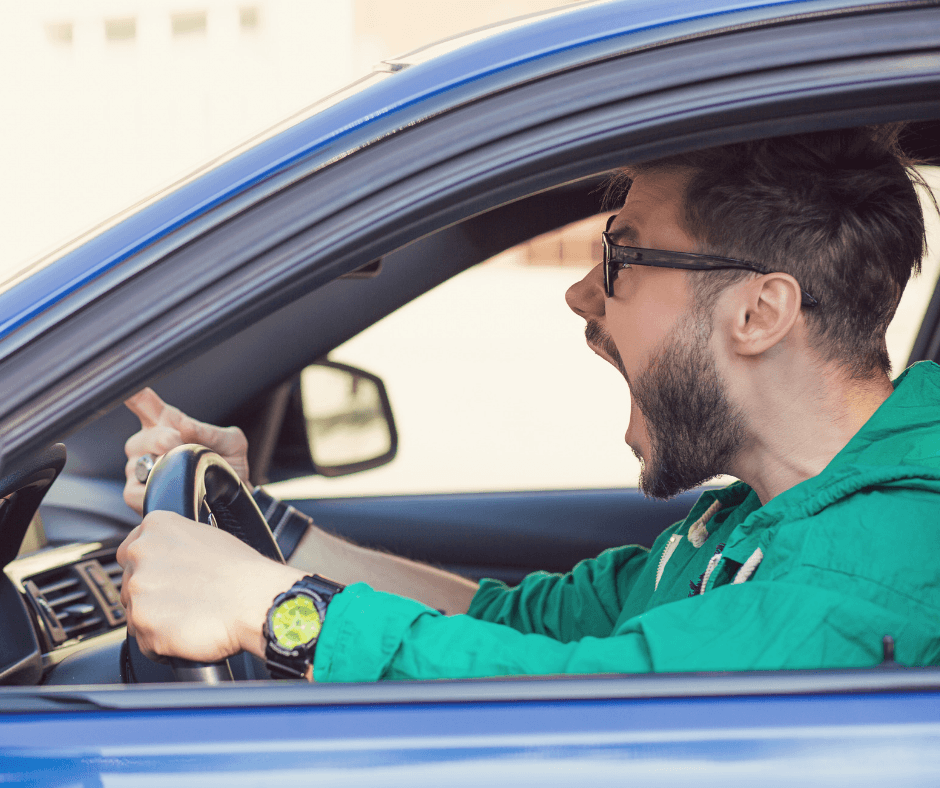
- Tailgating dangerously close or actually nudging the bumper of another vehicle
- Sudden braking in front of another vehicle
- Prolonged sounding of your horn to harass another driver
- Forcing another driver off the road
- Getting out of your vehicle with intent to injure another driver
Legal Definition of Aggressive Driving
The National Highway Traffic Safety Administration defines aggressive driving as an instance in which a driver commits multiple traffic offenses that endanger other people or property. An aggressive driver may:- Ignore stop signs, yield signs, and other traffic signals
- Drive illegally on the shoulder or sidewalk
- Pass in zones where doing so is prohibited
- Fail to signal turns or lane changes
- Speed
- Tailgate
- Make erratic and unsafe lane changes
- Run red lights
- Ignore other drivers
- Fail to provide the right of way
- Drive recklessly
- Take their frustrations out on other drivers
Is Road Rage A Criminal Offense?
The biggest difference between aggressive driving and road rage is how the law treats it. Aggressive driving can result in misdemeanor traffic tickets. You pay your fine. You get a point or two on your driving record. Your auto insurance premiums might even go up. But that’s it. Road rage is considered a criminal offense, because the driver engaging in it has the intent to cause harm. You can go to jail. You can pay costly fines. In a worst-case scenario, you can be convicted of a felony. The problem with road rage, and a major reason for the lack of understanding about it, is the laws vary from state to state. Almost every state considers road rage a crime. But, not all have laws prohibiting road rage and prescribing specific punishments for it. If you’re not sure about your state, check its DMV website or search online about road rage in your state. In states that don’t have road rage laws, the aggressive and violent behaviors are typically punished under any of the following laws:-
- An unlawful attempt to commit a violent injury on another person.
- Any willful and unlawful use of force or violence upon another person.
- Assault with a deadly weapon, i.e., an instrument with enough force to produce great bodily injury.
- Hit and run, which involves leaving the scene of an accident without exchanging information with the other driver.
- Reckless driving; this involves a driver who willfully or wantonly drives with a disregard for the safety of other people or their property.
- Making a spoken, written, or electronic communication that causes another person to fear for their safety or that of their immediate family.
How Does Road Rage Affect Your Driving?
Road rage can put a driver into an angry, hostile state. It can lead to behaviors that provoke other motorists or cause them to worry about their safety. These behaviors can include:- Shouting
- Excessive use of a horn
- Use of obscene gestures and threats
- Cutting off other cars
- Drive too closely to other cars
- Block a car, so it cannot access a traffic lane
- Chasing a car or running it off the road
- Deliberately slamming into a car
- Stopping a vehicle at the side of the road and getting out to threaten, attack, fight, or injure another motorist or passenger or a pedestrian, bicyclist, or another person
Causes Of Road Rage
Road rage may be no more than an initial reaction triggered by another driver's irresponsible behavior. It becomes more serious, however, when a driver decides to act on this reaction. There are several factors that can lead to road rage, including:- Heavy traffic. An impatient driver waiting in heavy traffic can easily get frustrated.
- Anonymity. Some drivers feel emboldened due to the fact that they are unlikely to interact or see another motorist, regardless of their actions. This can lead drivers to become less apprehensive about driving aggressively or recklessly.
- Distracted driving. Those who observe a distracted driver may feel the urge to take out their frustrations on the driver.
Tips For Avoiding Road Rage
The Insurance Information Institute notes aggressive driving plays a major role in road rage and fatal highway collisions each year. It also points out that aggressive driving can be difficult to quantify. Nearly 80% of drivers said they express significant road rage, aggression, and anger when they're behind the wheel, according to AAA Foundation for Traffic Safety's 2019 data. But, there are many things you can do to protect yourself and others against road rage, such as:- Give yourself time to get where you're going. If you’re upset, take time to calm down before getting behind the wheel.
- Be patient with slow drivers or those who seem to be getting in your way.
- Don’t use threatening hand gestures.
- Don’t tailgate.
- Don’t lean on your horn – no matter how frustrated you may be.
- Never stop to confront another driver.
- Change lanes or gradually slow down to create distance between the two of you.
- Exit the highway if necessary.
- Don’t make eye contact or respond to the other driver.
- Don’t stop or pull over to the side of the road.


