
How to Avoid a Collision in Washington
Four types of collisions can occur when driving – front, side, rear, and rollover. All four can be avoided by staying alert, paying attention to road conditions, and driving safely within the speed limit.
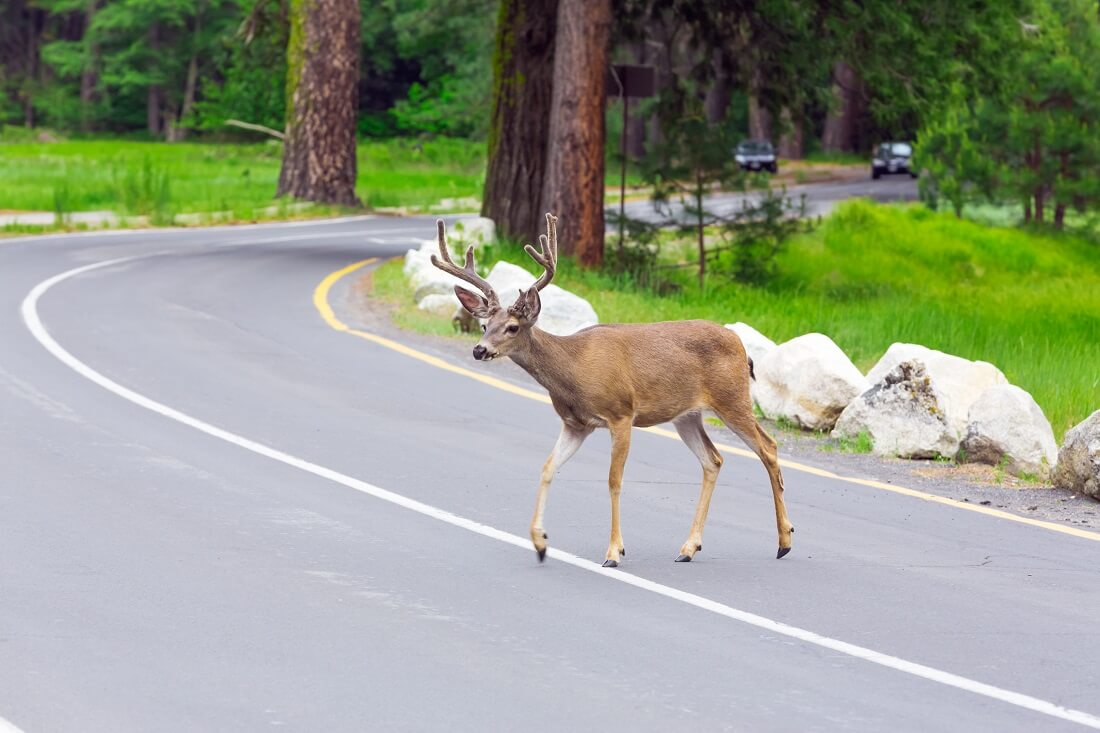
Watch Out For Critters The state of Washington is filled with large wildlife, including deer, moose, bighorn sheep, cougars, and black bears, that can increase the risk of a collision. Throughout the state, paying attention to road conditions means keeping an eye out for large animals that stray onto the streets and highways. In eastern Washington, state highways often intersect with white-tailed deer wintering grounds, while the Methow River Valley has large numbers of mule deer herds. Other areas with frequent animal collisions include U.S. 97, just north of Goldendale and I-90 near Easton and Cle Elum. In western Washington, the Cascade Mountain areas require constant vigilance to avoid collisions with deer on Whidbey Island and along State Route 20 and State Route 525. Frequent elk collisions also occur in the Packwood-Randle vicinity on U.S. 12 and on I-90 near North Bend.
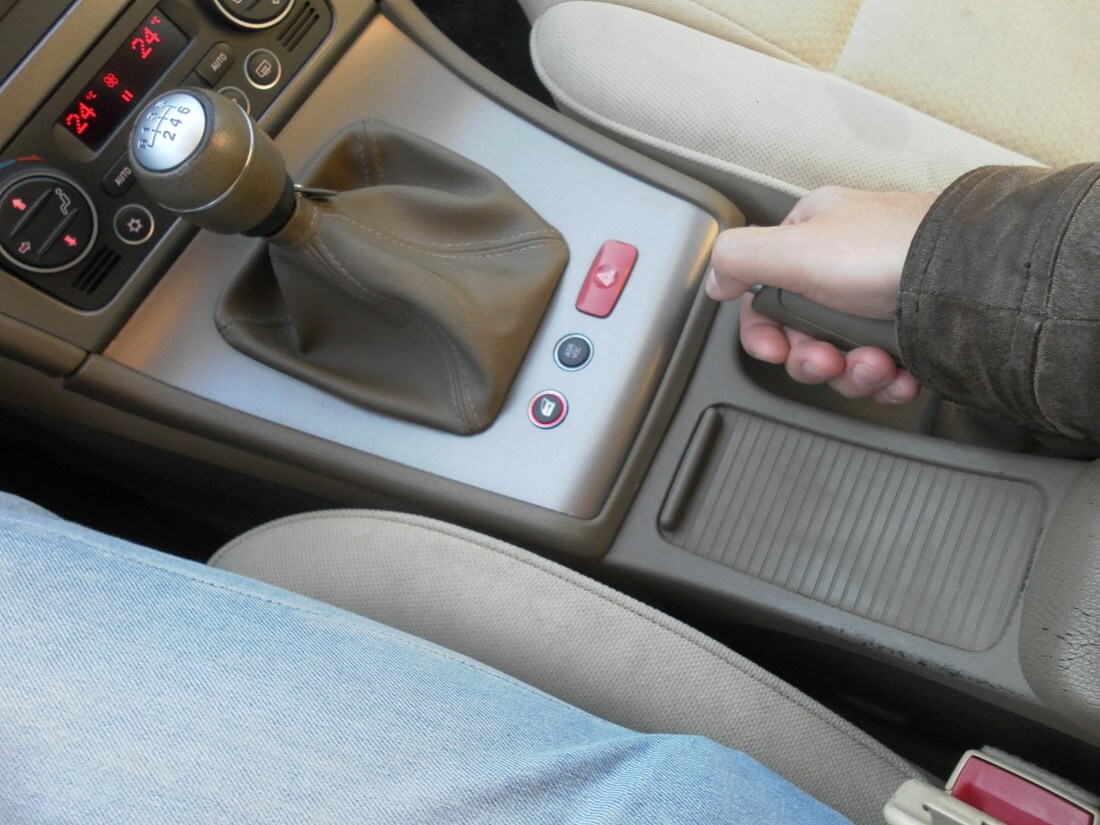
Take Evasive Action Even when driving safely, collisions can happen due to circumstances beyond your control. In these situations, three types of evasive action can help to avoid impending collisions or reduce the impact of collisions that do occur.
- Stopping quickly. Most newer vehicles have an antilock braking system (ABS) that allows you to stop suddenly without skidding. To use ABS correctly, push down on the brake pedal as hard as you can and keep it there, even if you feel the pedal pushing back. Do not pump antilock brakes, as this will diminish their ability to stop the car.
If your car has conventional brakes, apply them as hard as you can without causing them to lock up. If your vehicle starts skidding, let up on the brake pedal until the skidding stops, then apply the pedal again. Repeat this process until the vehicle comes to a stop.
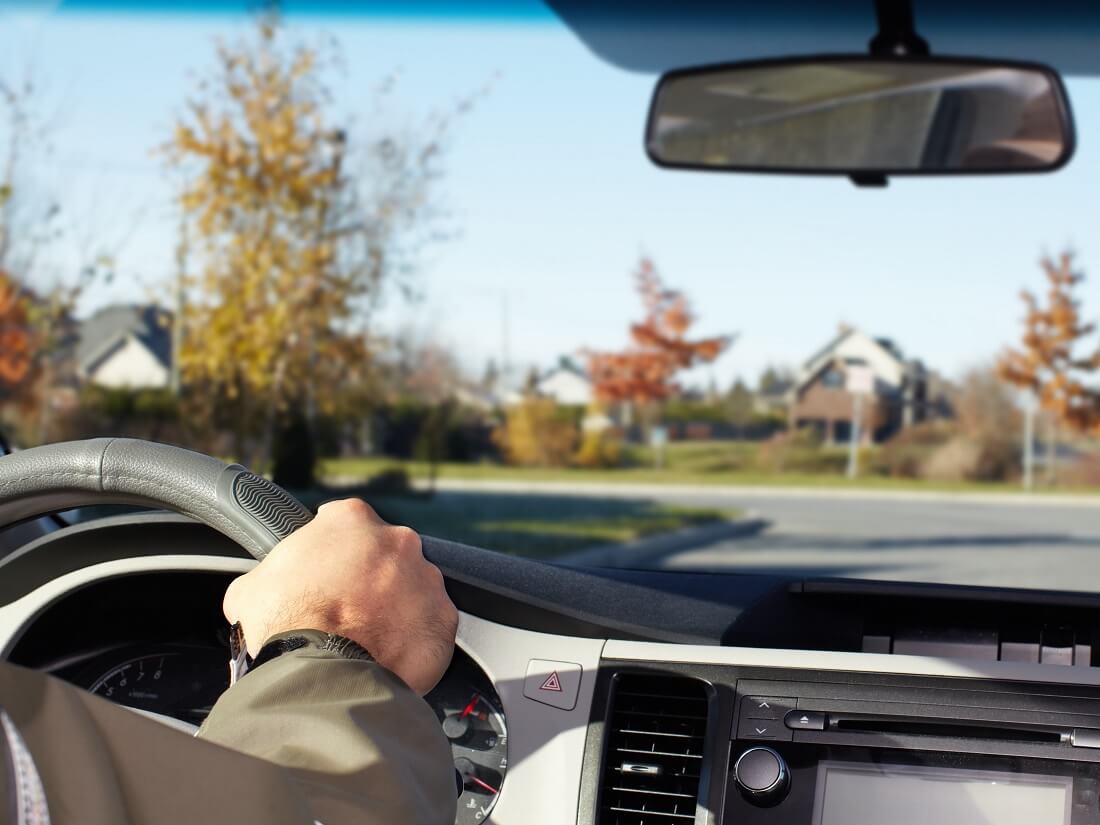
- Turning. The first rule of this technique is not to apply the brake during a sudden turn. This can cause the wheels to lock, which can send the vehicle skidding out of control or even cause a rollover. Instead, turn the wheel as far as you need to avoid the collision, keeping both hands on the wheel throughout the turn. Once you pass the obstacle in your path, turn the wheel back in the proper direction.
- Speeding Up. It may sound counter-intuitive, but in certain situations a sudden increase in speed is the proper course of action. For example, if another vehicle is about to hit you from the side or from behind, speeding up can help avoid or lessen the impact as long as you have plenty of space in front of you. Once the collision is averted, slow down to normal speed and resume driving in a safe manner.
See your owner’s manual for specific details for your vehicle. At Fix Auto USA, we understand that collisions can happen even to careful drivers. That’s why we offer fast, friendly, and reliable auto body repair services to get your car back on the road. In Washington, you can find us conveniently located in the Bellevue, Burien, Gig Harbor, Kent, Northshore, Puyallup, Seattle, and Tacoma areas.


